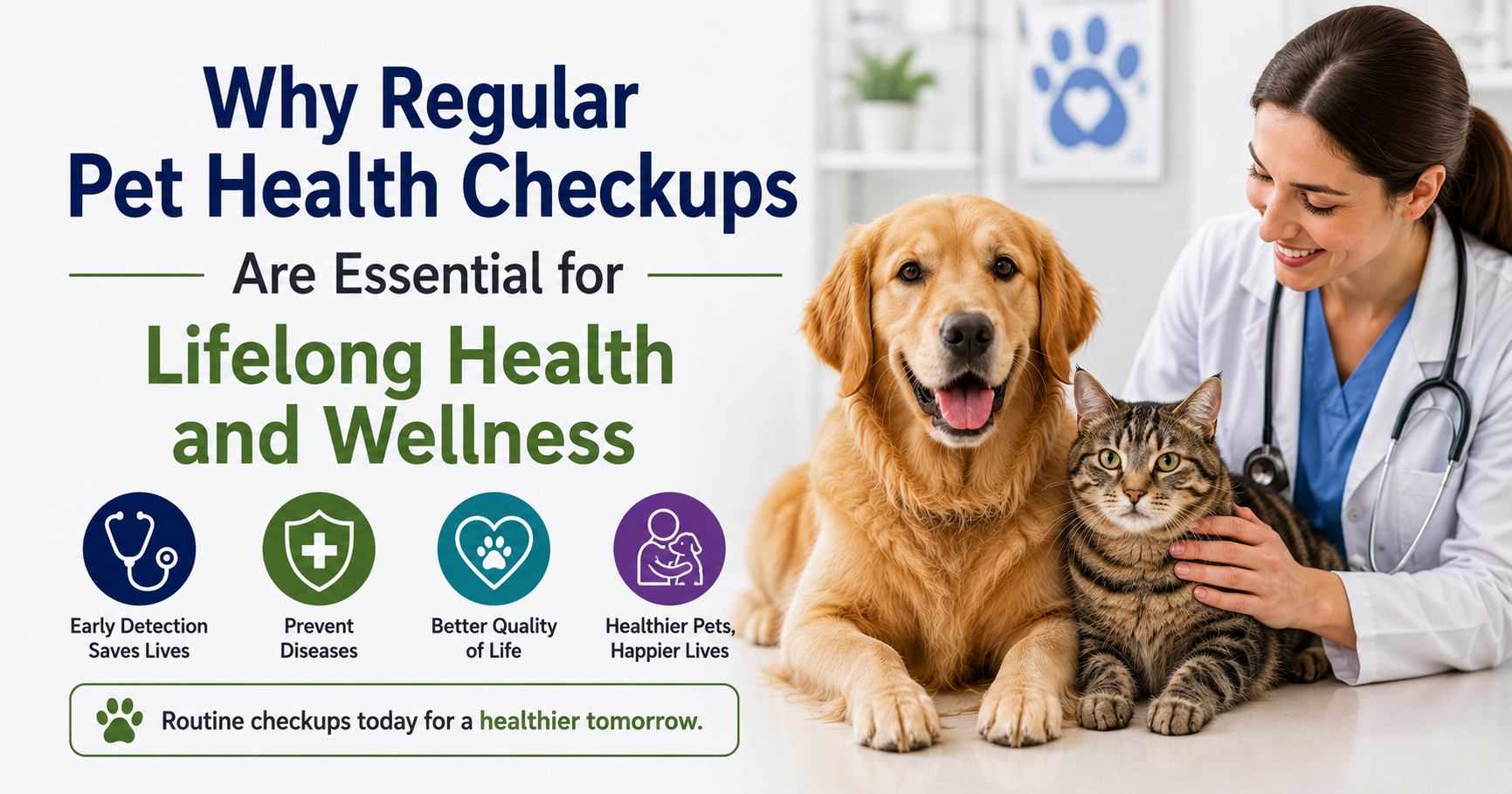
As pet owners, we all want our furry companions to live long, healthy, and happy lives. While providing nutritious food, regular exercise, and plenty of love are important, one of the most effective ways to protect your pet’s health is through regular pet health checkups.
Routine veterinary visits do much more than treat illness. They help detect health concerns early, monitor your pet’s overall wellbeing, and provide preventive care that supports every stage of life. Whether you have a playful puppy, a curious kitten, or a senior pet, regular wellness exams are essential for maintaining lifelong health.
What Is a Pet Health Checkup?
A pet health checkup, also known as a wellness exam, is a comprehensive evaluation performed by a veterinarian to assess your pet’s overall health. These routine visits focus on prevention, allowing potential health issues to be identified before they become serious.
During a typical pet wellness exam, your veterinarian may examine:
Body weight and body condition
Eyes, ears, and teeth
Heart and lung function
Skin and coat health
Joints and mobility
Abdomen and internal organs
Behaviour and overall wellbeing
Depending on your pet’s age and medical history, additional diagnostic tests may also be recommended.
Why Regular Pet Health Checkups Matter
Many illnesses develop gradually and may not show obvious symptoms until they become more advanced. Routine veterinary checkups allow your veterinarian to identify subtle changes that might otherwise go unnoticed.
Early detection often leads to:
More effective treatment
Lower medical costs
Faster recovery
Better quality of life
Longer lifespan
Preventive care is always easier and more affordable than treating advanced disease.
Early Detection Can Save Lives
Many common conditions begin silently, including:
Dental disease
Diabetes
Kidney disease
Arthritis
Heart disease
Thyroid disorders
Obesity
During routine veterinary checkups, your veterinarian can identify early warning signs through physical examinations, blood tests, and diagnostic screening.
Treating these conditions early often prevents serious complications later.
Preventive Veterinary Care Protects Your Pet
One of the biggest advantages of preventive veterinary care is reducing the risk of preventable diseases.
During wellness visits, your veterinarian may recommend:
Vaccinations
Flea and tick prevention
Heartworm prevention
Deworming
Nutritional guidance
Weight management
Behavioural advice
These preventive measures help keep pets healthy throughout every stage of life.
Monitoring Growth in Puppies and Kittens
Young pets grow quickly during their first year.
Routine wellness visits allow veterinarians to:
Monitor healthy growth
Administer vaccinations
Check proper development
Discuss nutrition
Recommend parasite prevention
Answer new pet owner questions
Regular checkups give puppies and kittens the healthiest possible start in life.
Senior Pets Need More Frequent Health Checks
As pets age, their healthcare needs change.
Older pets have a higher risk of developing chronic conditions that may progress without obvious symptoms.
Regular health checkups help monitor:
Joint health
Vision and hearing
Kidney function
Heart health
Weight changes
Mobility
Cognitive health
Many senior pets benefit from wellness exams every six months rather than once a year.
Dental Health Is Part of Overall Health
Dental disease is one of the most common health problems seen in dogs and cats.
Without treatment, oral disease can cause:
Pain
Bad breath
Tooth loss
Difficulty eating
Bacterial infections affecting major organs
Routine wellness exams allow veterinarians to detect dental problems early and recommend professional cleaning when needed.
Nutrition and Weight Management
Maintaining a healthy weight significantly reduces the risk of many diseases.
During pet wellness care visits, veterinarians evaluate:
Body condition score
Dietary needs
Calorie intake
Exercise routine
Weight changes
Small nutritional adjustments can greatly improve your pet’s long-term health.
Building a Lifelong Relationship with Your Veterinarian
Regular visits help your veterinarian become familiar with your pet’s normal health, behaviour, and medical history.
This relationship makes it easier to identify subtle changes and provide personalized treatment whenever health concerns arise.
Consistent veterinary care also helps reduce stress during future visits because pets become familiar with the clinic environment.
How Often Should Pets Have a Health Checkup?
The ideal schedule depends on your pet’s age and health.
General recommendations include:
Puppies and Kittens: Every 3 to 4 weeks until vaccinations are complete.
Healthy Adult Pets: Once every year.
Senior Pets: Every six months or as recommended by your veterinarian.
Pets with chronic medical conditions may require more frequent visits.
Choose Preventive Care for a Healthier Future
At Erin Centre Animal Hospital, we believe preventive care is the foundation of lifelong pet health. Our experienced veterinary team provides comprehensive wellness exams, vaccinations, diagnostic testing, nutritional guidance, parasite prevention, and personalized healthcare plans for pets of all ages.
Whether your pet is due for an annual wellness exam or you’re welcoming a new puppy or kitten into your family, we are here to provide compassionate, high-quality veterinary care every step of the way.
Schedule your pet’s wellness checkup at Erin Centre Animal Hospital today and help keep your companion healthy, active, and happy for years to come.
Conclusion
Regular pet health checkups are one of the most valuable investments you can make in your pet’s wellbeing. Routine wellness exams allow early detection of health problems, support preventive care, and help your pet enjoy a longer, healthier life.
From vaccinations and dental care to nutritional guidance and senior health monitoring, consistent veterinary visits play a vital role in every stage of your pet’s journey.
Partnering with a trusted veterinary team ensures your pet receives the personalized care they need to thrive. At Erin Centre Animal Hospital, we are committed to helping your furry family members live healthier lives through compassionate, preventive veterinary care.
Frequently Asked Questions (FAQs)
1. How often should my pet have a health checkup?
Healthy adult pets should have a wellness exam once a year. Puppies, kittens, senior pets, and pets with ongoing medical conditions may require more frequent visits.
2. What happens during a pet wellness exam?
A wellness exam includes a physical examination, weight assessment, dental evaluation, heart and lung check, skin and coat assessment, and recommendations for vaccinations, parasite prevention, or diagnostic testing if needed.
3. Why are regular pet health checkups important?
Routine checkups help detect diseases early, monitor your pet’s overall health, provide preventive care, and improve long-term health outcomes.
4. Are annual wellness exams necessary if my pet seems healthy?
Yes. Many illnesses develop without obvious symptoms. Regular veterinary exams help identify health concerns before they become serious.
5. When should senior pets have health checkups?
Senior pets often benefit from wellness exams every six months because age-related conditions can develop more quickly.
6. Can routine veterinary visits help reduce future medical costs?
Yes. Preventive care and early diagnosis often reduce the need for expensive treatments by identifying health problems before they become severe.