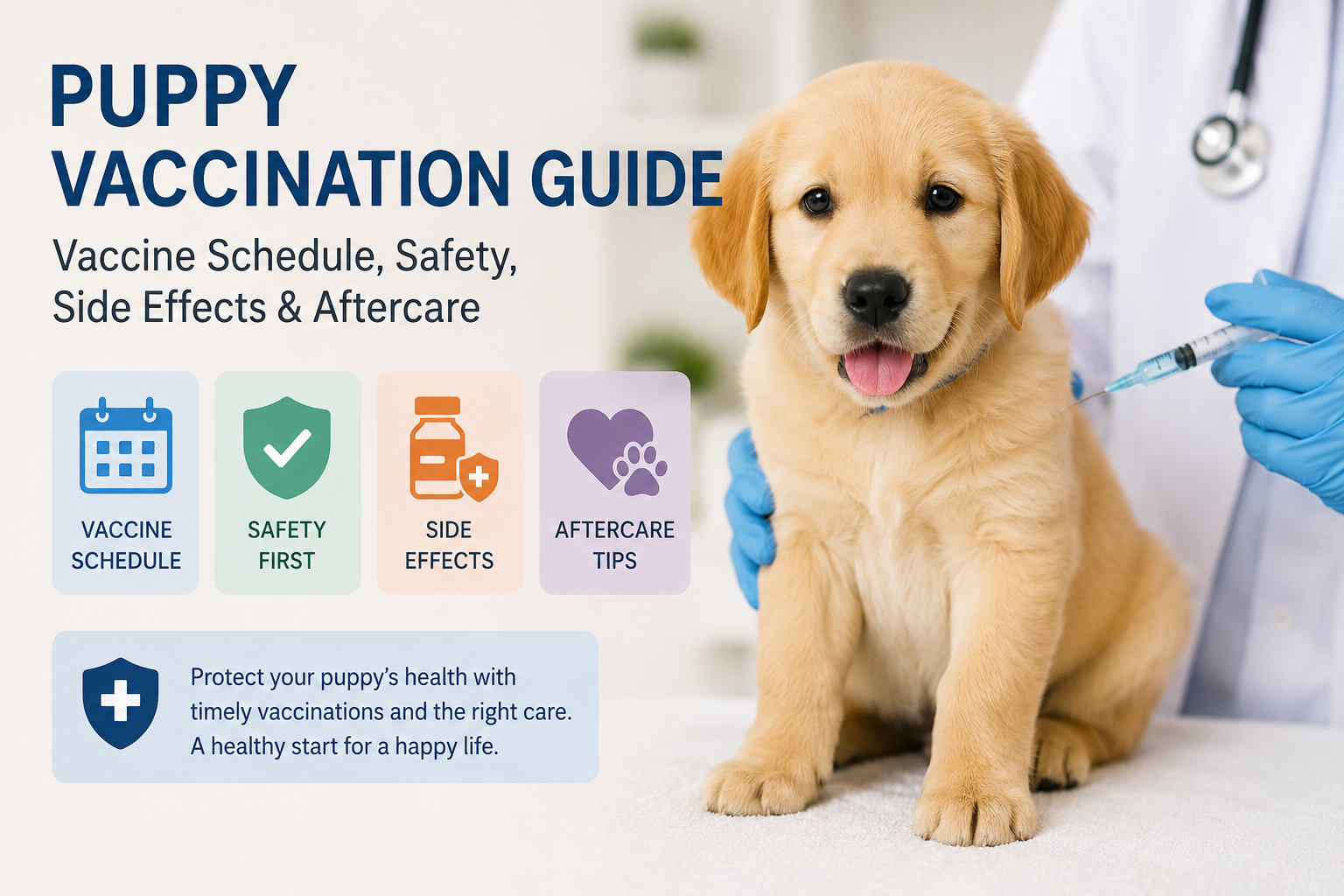
Bringing home a new puppy is an exciting milestone, but it also comes with important responsibilities. One of the most critical steps in protecting your puppy’s health is following the recommended vaccination schedule. Vaccines help prevent serious and potentially life-threatening diseases while supporting your puppy’s developing immune system.
Many new pet owners have questions about when vaccinations should begin, which vaccines are required, whether vaccines are safe, and what to expect after each appointment. This guide explains everything you need to know about puppy vaccinations, including the recommended schedule, possible side effects, aftercare tips, and why routine veterinary visits are essential.
Why Are Puppy Vaccinations Important?
Puppies are born with temporary antibodies passed from their mother. While these antibodies provide some protection during the first few weeks of life, they gradually decrease, leaving puppies vulnerable to infectious diseases.
Vaccinations help the immune system recognize and fight dangerous viruses and bacteria before they can cause severe illness.
Benefits of puppy vaccinations include:
Protection against serious infectious diseases
Reduced risk of hospitalization
Stronger long-term immunity
Prevention of disease transmission to other animals
Compliance with local vaccination regulations
Vaccinating your puppy on schedule gives them the best chance of growing into a healthy adult dog.
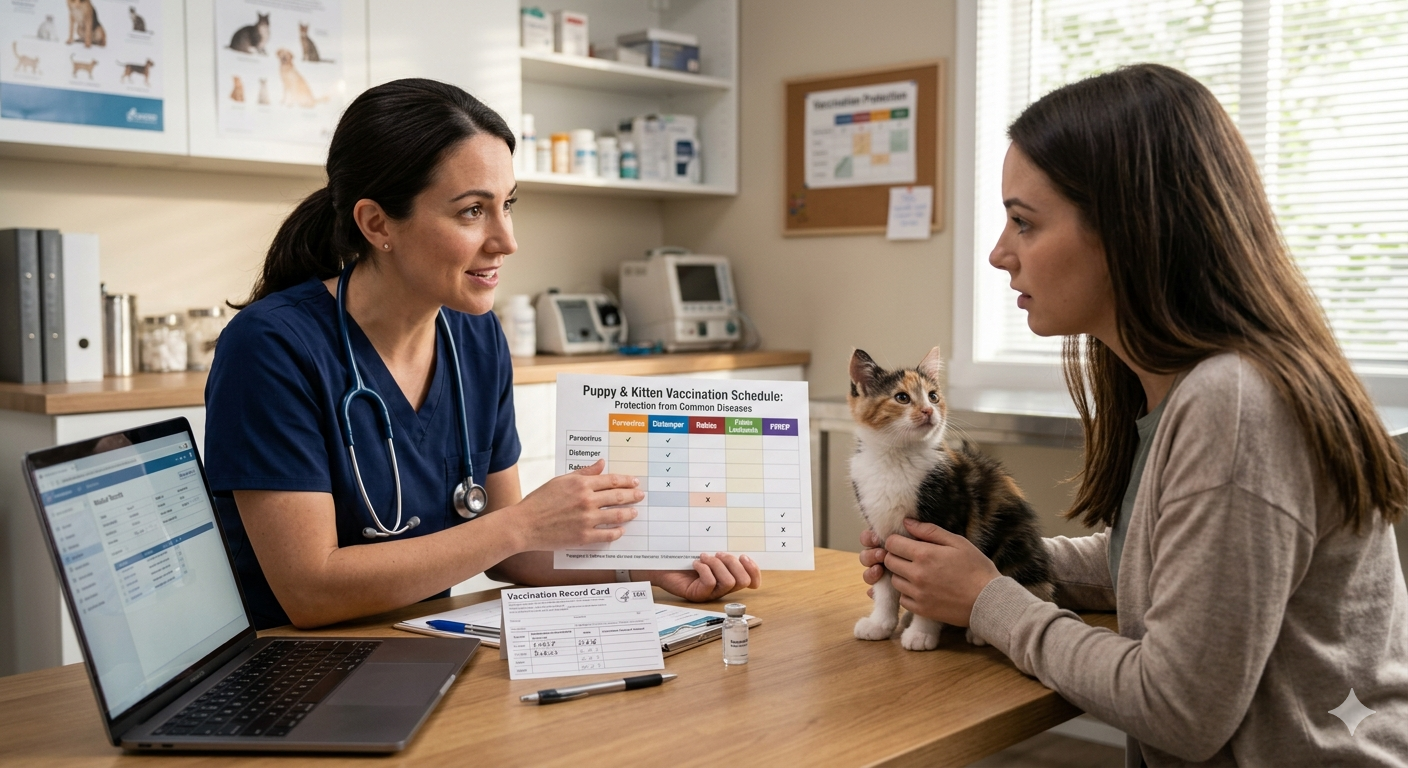
Puppy Vaccination Schedule
Although vaccination schedules may vary slightly depending on your veterinarian and your puppy’s health, a typical schedule includes:
6 to 8 Weeks
Your puppy may receive the first combination vaccine, which commonly protects against:
Distemper
Parvovirus
Adenovirus (Hepatitis)
Parainfluenza
Your veterinarian may also recommend deworming and a complete physical examination during this visit.
10 to 12 Weeks
Booster vaccinations strengthen your puppy’s immune response.
Additional vaccines may include:
DHPP booster
Bordetella (Kennel Cough), depending on lifestyle
Leptospirosis if recommended
14 to 16 Weeks
At this stage, puppies usually receive:
Final DHPP booster
Rabies vaccine (required in many regions)
Leptospirosis booster if applicable
Completing the full vaccination series is important because early doses alone may not provide complete protection.
12 to 16 Months
Your veterinarian will recommend booster vaccinations to maintain immunity after your puppy’s first birthday.
Following this, booster schedules vary depending on the vaccine type and your dog’s lifestyle.
Core vs Non-Core Vaccines
Understanding the difference helps pet owners make informed decisions.
Core Vaccines
Core vaccines are recommended for nearly every puppy because they protect against widespread and potentially fatal diseases.
These include:
Distemper
Parvovirus
Adenovirus
Rabies
Non-Core Vaccines
These vaccines are recommended based on your puppy’s lifestyle, travel habits, and environmental exposure.
Examples include:
Bordetella
Leptospirosis
Lyme disease vaccine
Canine Influenza
Your veterinarian will recommend which non-core vaccines are appropriate.
Are Puppy Vaccines Safe?
Yes. Puppy vaccines undergo extensive testing before approval and are considered very safe.
Most puppies experience no significant problems after vaccination. The benefits of disease prevention greatly outweigh the small risk of mild side effects.
Your veterinary team carefully evaluates your puppy before vaccination to ensure they are healthy enough to receive immunizations.
Common Vaccine Side Effects
Most side effects are mild and disappear within 24 to 48 hours.
Common reactions include:
Mild tiredness
Temporary loss of appetite
Slight swelling at the injection site
Mild soreness
Sleeping more than usual
These responses simply indicate that the immune system is building protection.
When Should You Contact Your Veterinarian?
Serious vaccine reactions are uncommon but require immediate medical attention.
Seek veterinary care if your puppy develops:
Difficulty breathing
Facial swelling
Persistent vomiting
Severe diarrhea
Collapse
Extreme lethargy lasting longer than two days
Continuous crying from pain
Prompt treatment can quickly resolve allergic reactions if they occur.
Puppy Vaccination Aftercare Tips
Proper aftercare helps your puppy recover comfortably after vaccination.
Allow Plenty of Rest
Your puppy may feel sleepy after vaccination. Provide a quiet environment and avoid excessive activity for the rest of the day.
Offer Fresh Water
Keep clean drinking water available at all times to help maintain hydration.
Feed Normally
Most puppies can eat their regular meals. If appetite decreases slightly, it usually returns within a day.
Avoid Strenuous Exercise
Limit running, jumping, or vigorous play for 24 hours after vaccination.
Monitor for Side Effects
Observe your puppy for any unusual symptoms and contact your veterinarian if you have concerns.
Can Puppies Go Outside Before They’re Fully Vaccinated?
Young puppies should avoid high-risk public areas until their vaccination series is complete.
Until then:
Carry your puppy in busy areas when possible.
Avoid dog parks.
Prevent contact with unknown or unvaccinated dogs.
Keep walks limited to clean, low-risk environments recommended by your veterinarian.
These precautions help reduce exposure to dangerous diseases like parvovirus.
Why Routine Veterinary Visits Matter
Vaccination appointments are about much more than injections.
Each visit allows your veterinarian to:
Monitor growth and development
Detect congenital health concerns
Discuss nutrition
Recommend parasite prevention
Answer training and behavior questions
Create a personalized preventive healthcare plan
Regular wellness visits build a strong foundation for lifelong health.
Protect Your Puppy with Expert Veterinary Care
At Erin Centre Animal Hospital, we believe prevention is the best medicine. Our experienced veterinary team provides personalized vaccination schedules, wellness examinations, parasite prevention, and ongoing healthcare guidance tailored to your puppy’s unique needs.
Whether you’re welcoming your first puppy or adding another furry family member, we’re here to help every step of the way.
Book your puppy’s vaccination appointment today and give them the healthy start they deserve.
Conclusion
Vaccinations are one of the most important investments you can make in your puppy’s future health. Following the recommended vaccination schedule helps protect against serious diseases, strengthens the immune system, and supports a long, healthy life.
Working closely with your veterinarian ensures your puppy receives the right vaccines at the right time while giving you confidence throughout every stage of their development. Combined with preventive care, regular wellness exams, and routine health monitoring, timely vaccinations provide the best foundation for a happy and healthy companion.
Give Your Puppy the Best Start with Erin Centre Animal Hospital
At Erin Centre Animal Hospital, we are committed to helping your puppy grow into a healthy adult through personalized vaccination schedules, comprehensive wellness exams, and compassionate veterinary care. Whether it’s your puppy’s first vaccination or a routine booster, our experienced team is here to support you every step of the way.
Ready to protect your puppy’s health? Contact Erin Centre Animal Hospital today to schedule a vaccination appointment and give your newest family member the healthiest possible start in life.
Frequently Asked Questions (FAQs)
At what age should puppies receive their first vaccination?
Most puppies begin their vaccination schedule between 6 and 8 weeks of age, depending on their health and your veterinarian’s recommendation.
How many vaccinations does a puppy need?
Most puppies require a series of three to four vaccination visits during their first few months, followed by booster vaccines after one year.
Is it normal for my puppy to sleep after vaccination?
Yes. Mild tiredness and increased sleep are common for 24 to 48 hours after vaccination and usually resolve without treatment.
Can I take my puppy for a walk after vaccination?
Light walks are generally fine if your veterinarian approves, but avoid dog parks, crowded public areas, and contact with unknown dogs until your puppy has completed the full vaccination schedule.
What happens if my puppy misses a vaccine appointment?
Contact your veterinarian as soon as possible. They will advise whether your puppy can continue the schedule or if certain vaccines need to be restarted.
Why are booster vaccinations important?
Booster vaccinations help maintain your dog’s immunity over time and continue protecting against serious infectious diseases throughout adulthood.