Choosing surgery for your pet can feel overwhelming, but the right veterinary team makes the process safe and comfortable. At Erin Centre Animal Hospital, we provide trusted Pet Surgical Services in Mississauga designed to protect your pet’s health while minimizing stress for both pets and owners.
Our surgical services combine experienced veterinarians, modern surgical equipment, advanced anesthesia monitoring, and personalized recovery care. Every procedure is carefully planned based on your pet’s age, medical history, and overall condition.
From routine procedures to medically necessary operations, our priority is always safety, comfort, and successful healing.
Our Surgical Process and Safety Standards
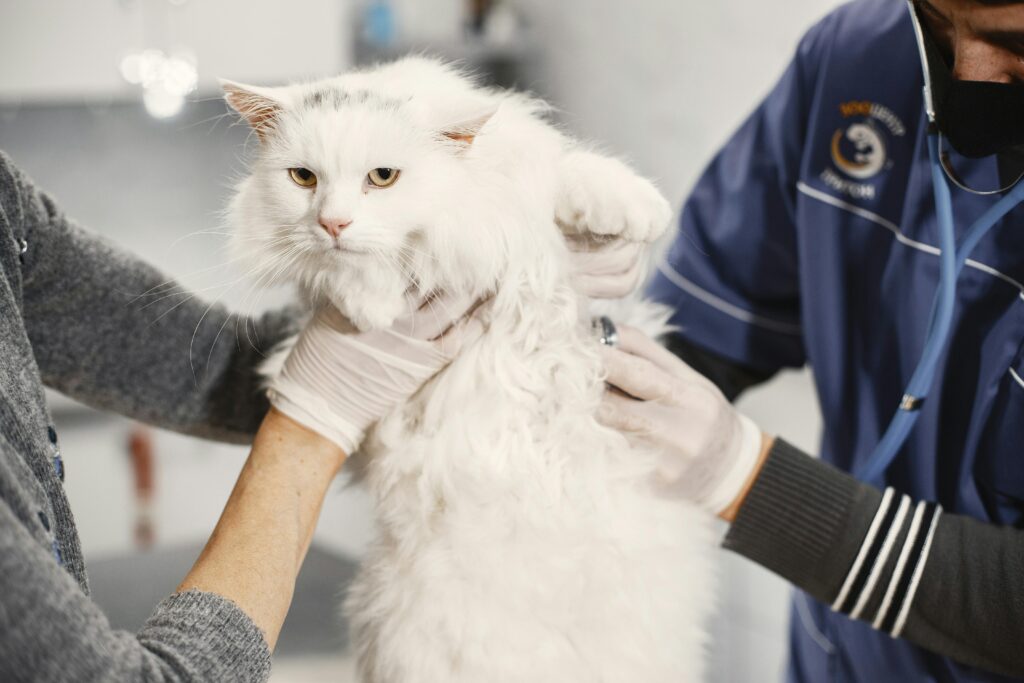
Before any surgery, we perform a full health assessment to ensure your pet is ready for anesthesia and surgery.
Our surgical safety approach includes:
- Pre surgical physical examination
- Highly recommended blood testing to detect any underlying health concerns
- Modern anesthesia protocols
- Continuous heart rate and oxygen monitoring
- Dedicated pain management before and after surgery
- Careful post operative observation
These steps help reduce risks and support a smooth recovery experience.
Spaying
Spaying your female pet is a vital part of preventive veterinary care and long-term health protection.
This procedure prevents unwanted pregnancies while also reducing the risk of reproductive infections and certain cancers later in life.
Spaying helps:
- Prevent heat cycles and related discomfort
- Reduce behavioral stress during hormonal changes
- Support responsible pet population control
Spaying does not change your pet’s personality. Your companion remains just as loving and playful as before.
Our veterinary team follows strict surgical and pain management protocols to ensure a safe procedure and comfortable recovery.
Neutering
Neutering male cats and dogs is a common and beneficial surgical procedure that supports both medical and behavioral health.
The surgery removes the testicles under anesthesia and can help:
- Reduce risk of prostate and testicular disease
- Lower the risk of bladder stones and urinary blockage
- Minimize roaming behavior
- Decrease aggression and fighting
- Reduce spraying or marking behaviors
Neutering also contributes to reducing stray animal populations in the community.
Your pet is carefully monitored throughout surgery and recovery to ensure safety and comfort at every stage.
If you are unsure about timing or benefits, our team will guide you through the decision.
Soft Tissue Surgery
Soft tissue surgery includes procedures that do not involve bones but significantly improve your pet’s health and quality of life.
One of the most common procedures is lump or mass removal. Many growths are harmless, but early removal and testing are important because some masses may be malignant.
Additional soft tissue procedures may include:
- Surgical treatment for chronic ear infections
- Eye surgeries addressing eyelid or eyelash problems
- Procedures for excessive tearing or corneal injuries
These treatments relieve discomfort, prevent complications, and help preserve vision and mobility.
If your pet has ongoing health concerns, surgery may be the most effective solution. Our veterinarians explain all options clearly so you can make confident decisions.
Anesthesia and Pain Management
Pet owner safety concerns often focus on anesthesia. Our clinic uses modern anesthetic techniques tailored to each pet’s size, breed, and health condition.
- Individual anesthesia planning
- Continuous monitoring during surgery
- Advanced pain control medications
- Gentle recovery supervision
Proper pain management helps pets heal faster and return to normal activity sooner.
Post Surgical Care and Recovery Support
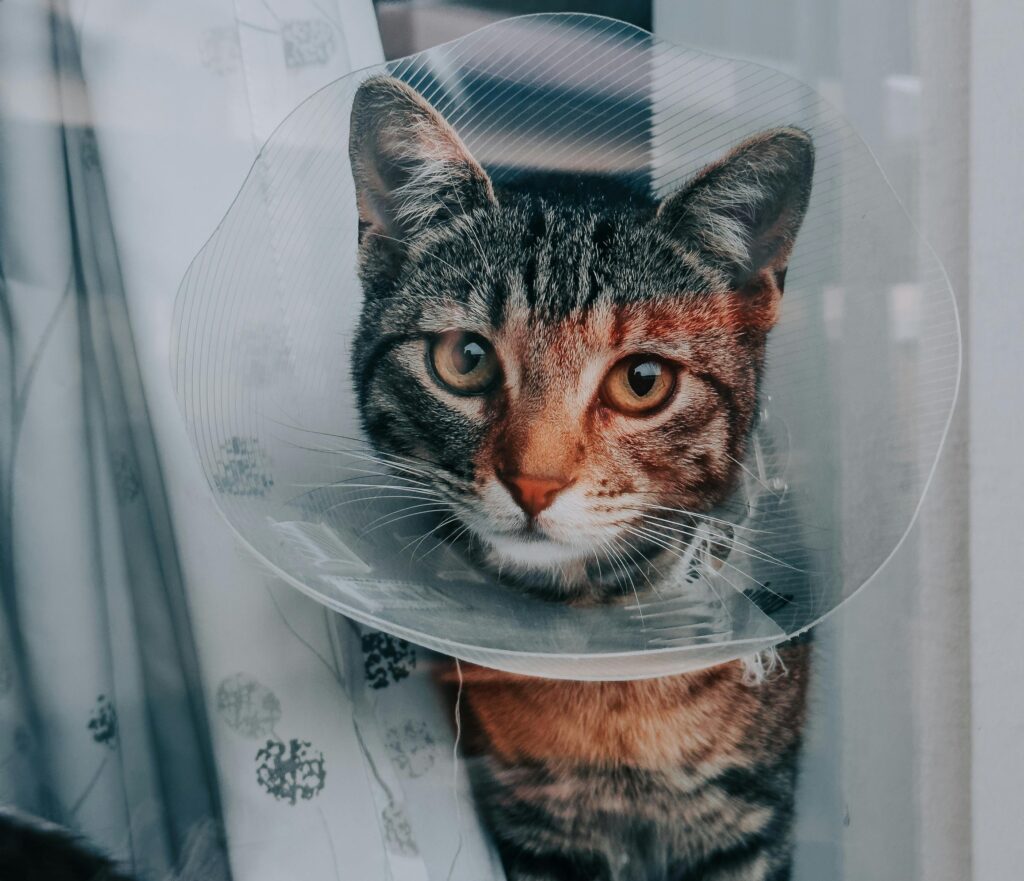
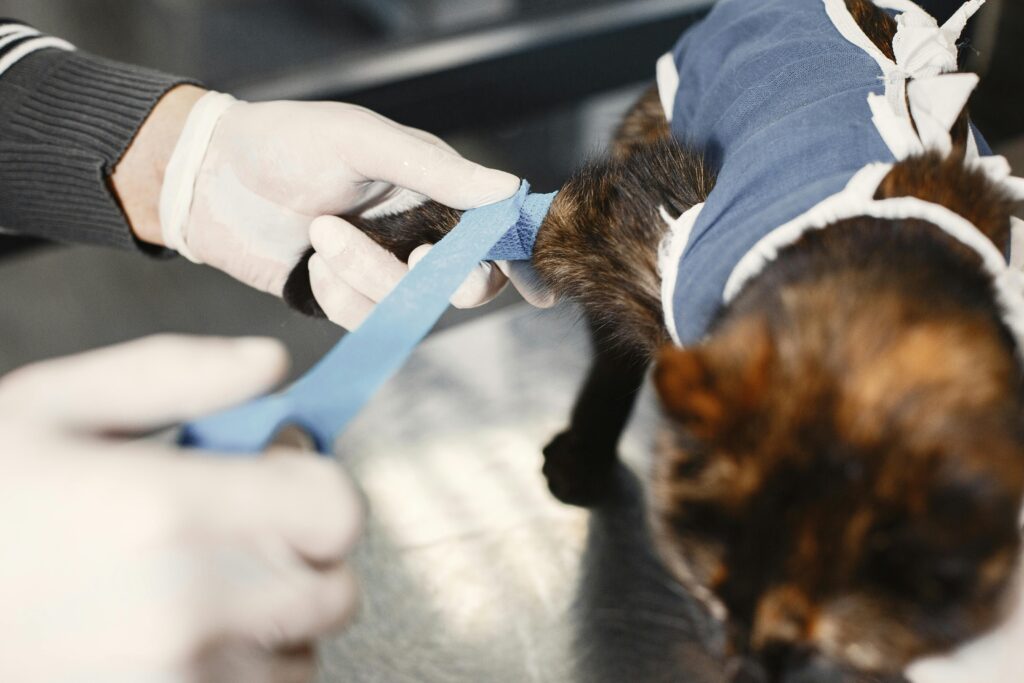
Recovery is just as important as the surgery itself. After your pet’s procedure, we provide clear instructions and ongoing support.
Post surgical care includes:
- Detailed home care guidance
- Medication instructions
- Activity restriction recommendations
- Follow up examinations when needed
Our team remains available to answer questions and ensure your pet heals properly.
Trusted Surgical Care for Dogs, Cats, and Small Pets
At Erin Centre Animal Hospital, we believe surgical care should always combine medical expertise with compassion. Our Pet Surgical Services in Mississauga focus on prevention, safety, and long-term wellness for pets at every stage of life.
Whether your pet needs routine spaying, neutering, or specialized soft tissue surgery, our experienced veterinary team is committed to delivering professional care you can trust.
Request a surgical consultation today and experience safe, compassionate Pet Surgical Services in Mississauga designed for your pet’s health and comfort.