
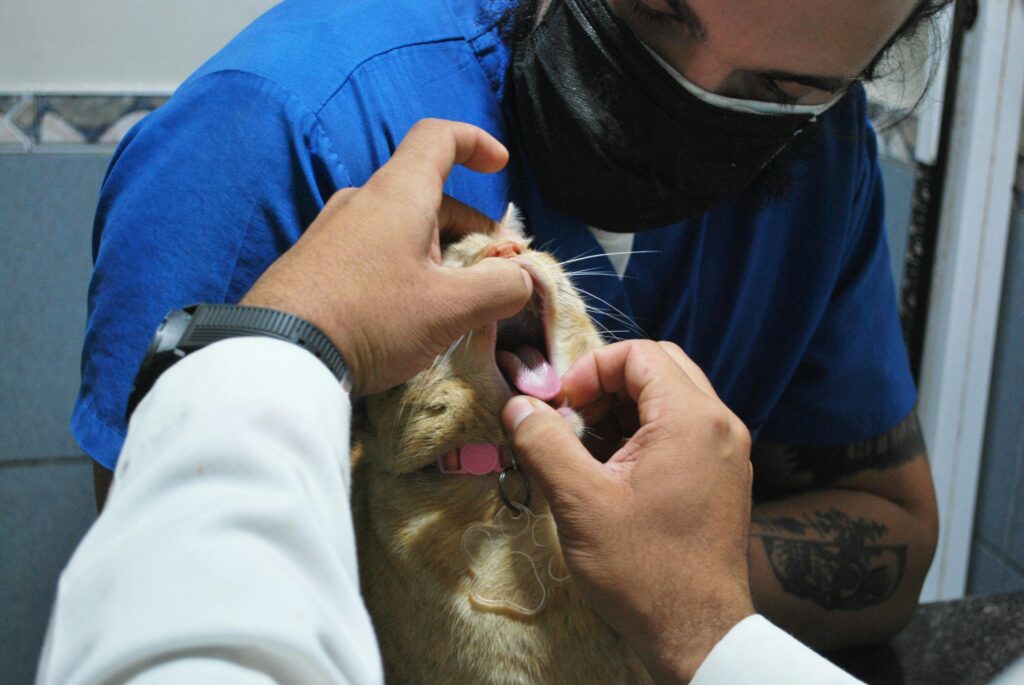
Patient Monitoring & Anesthesia in Mississauga
At Erin Centre Animal Hospital, your pet’s safety and comfort always come first, especially during surgery and medical procedures. Our experienced veterinary team uses modern anesthesia techniques and advanced monitoring technology to provide safe and compassionate care at every stage of treatment.
Whether your pet needs a routine procedure or a more complex treatment, we carefully plan anesthesia based on individual health needs. Each pet receives personalized attention to ensure a smooth and stress free experience.
Every pet is different. That is why we select anesthesia methods according to your pet’s age, health condition, and procedure requirements. We may use general anesthesia or local anesthesia depending on what is safest and most effective.
Book a consultation with us to discuss safe anesthesia options for your pet in Mississauga.
Tranquilization
Some pets feel anxious during travel, loud environments, or veterinary visits. To help reduce stress, we offer mild tranquilizers and sedatives designed to keep pets calm and comfortable.
These medications allow pets to relax or lightly sleep while remaining responsive when needed. Before prescribing any medication, our veterinary team performs a detailed health assessment to ensure safety.
Tranquilization can make veterinary visits easier for both pets and owners while improving the overall treatment experience.
Contact our team today to discuss calming solutions for anxious pets.
Patient Monitoring During Procedures
When anesthesia is used, continuous monitoring is essential for safety. During all procedures, your pet is closely supervised by trained veterinary professionals.
We monitor vital signs throughout the entire procedure, including:
- Heart rate
- Breathing patterns
- Blood pressure
- Oxygen levels
- Body temperature
This real time monitoring allows us to respond immediately to any changes and maintain stable conditions during treatment.
Our commitment to careful patient monitoring helps ensure safer procedures and smoother recoveries.
Call us to learn more about how we monitor your pet during surgery and medical treatments.
Understanding General Anesthesia
Some medical and surgical procedures require pets to be fully asleep and pain free. While general anesthesia may sound concerning, it is very safe when performed using modern veterinary standards.
Before anesthesia, we complete a thorough physical examination and may recommend blood testing to detect hidden health concerns.
How General Anesthesia Works
- A calming sedative helps your pet relax
- A breathing tube is placed to protect the airway
- Oxygen and anesthetic gas maintain a controlled level of anesthesia
Throughout the procedure, our team continuously monitors your pet to ensure comfort and safety.
We follow strict anesthesia protocols designed to minimize risk and support a smooth recovery.
Speak with our veterinary team if your pet has an upcoming procedure requiring anesthesia.
Local Anesthesia
For minor procedures or diagnostic treatments, local anesthesia may be recommended. This technique numbs only the treatment area while allowing your pet to remain awake and comfortable.
Local anesthesia is commonly used for:
- Skin sample collection
- Minor wound treatments
- Small diagnostic procedures
In some situations, a mild sedative or anti anxiety medication may also be used to help pets stay relaxed.
Local anesthesia reduces recovery time while still providing effective pain control.
Ask our team whether local anesthesia is the right option for your pet’s treatment.
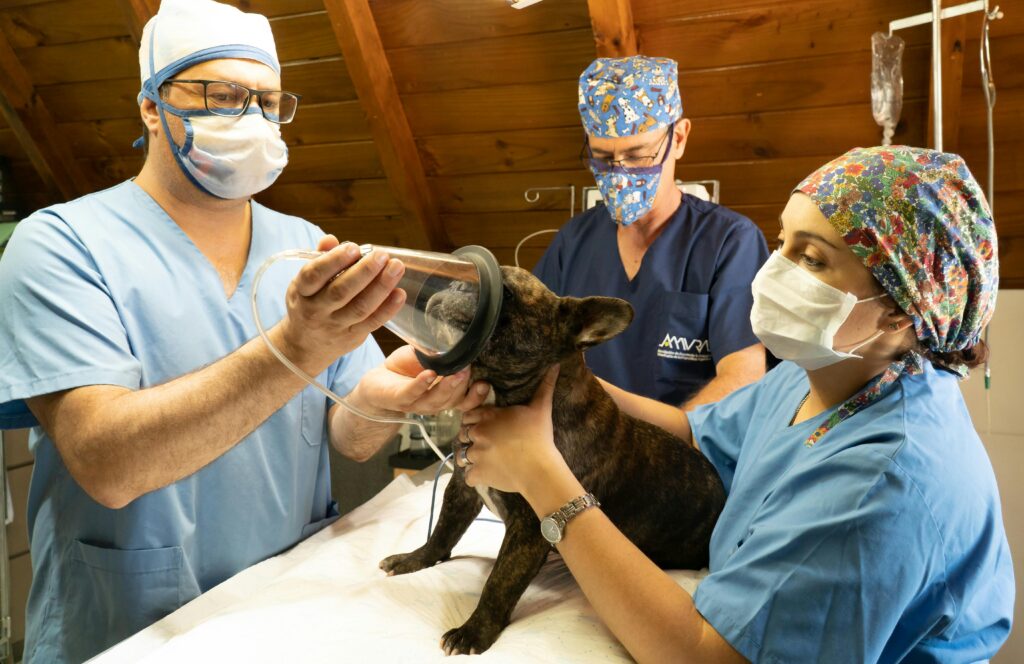
Prioritizing Comfort and Safety During Every Procedure
At Erin Centre Animal Hospital, patient monitoring and anesthesia care are carefully tailored to each pet. From preparation to recovery, our veterinary team focuses on safety, comfort, and clear communication with pet owners.
We understand that medical procedures can feel stressful. That is why we take time to explain every step, answer your questions, and ensure you feel confident about your pet’s care plan.
Using advanced monitoring equipment and modern anesthesia methods, we provide trusted veterinary care for dogs, cats, and small pets throughout Mississauga.
Request an appointment today to learn more about Patient Monitoring & Anesthesia in Mississauga at Erin Centre Animal Hospital.
Frequently Asked Questions
What is patient monitoring during veterinary procedures?
Patient monitoring involves continuously checking your pet’s vital signs such as heart rate, breathing, blood pressure, oxygen levels, and temperature during surgery or medical treatments. Proper monitoring helps ensure your pet remains safe and stable throughout anesthesia and recovery.
Is anesthesia safe for pets?
Yes. Modern veterinary anesthesia is very safe when performed by trained professionals. Before any procedure, veterinarians perform physical exams and may recommend blood tests to evaluate your pet’s health and reduce risks during anesthesia.
What is the difference between general anesthesia and local anesthesia for pets?
General anesthesia allows your pet to sleep completely during surgery, making it pain free and stress free. Local anesthesia numbs only a specific area while your pet remains awake. Your veterinarian chooses the safest option based on the procedure and your pet’s condition.
Why is patient monitoring important during surgery?
Continuous patient monitoring allows the veterinary team to detect even small changes in vital signs and respond immediately. This improves safety, reduces complications, and supports smoother recovery after medical procedures.
Can anxious pets receive sedation before treatment?
Yes. Mild tranquilizers or sedatives may be used to help anxious pets remain calm during travel, examinations, or treatments. Each pet receives an individual health assessment before sedation is recommended.
How should I prepare my pet for anesthesia or surgery?
Your veterinarian will provide specific instructions, which may include fasting before the procedure, adjusting medications, and arriving early for examination. Following these instructions helps ensure safe anesthesia and successful treatment outcomes.