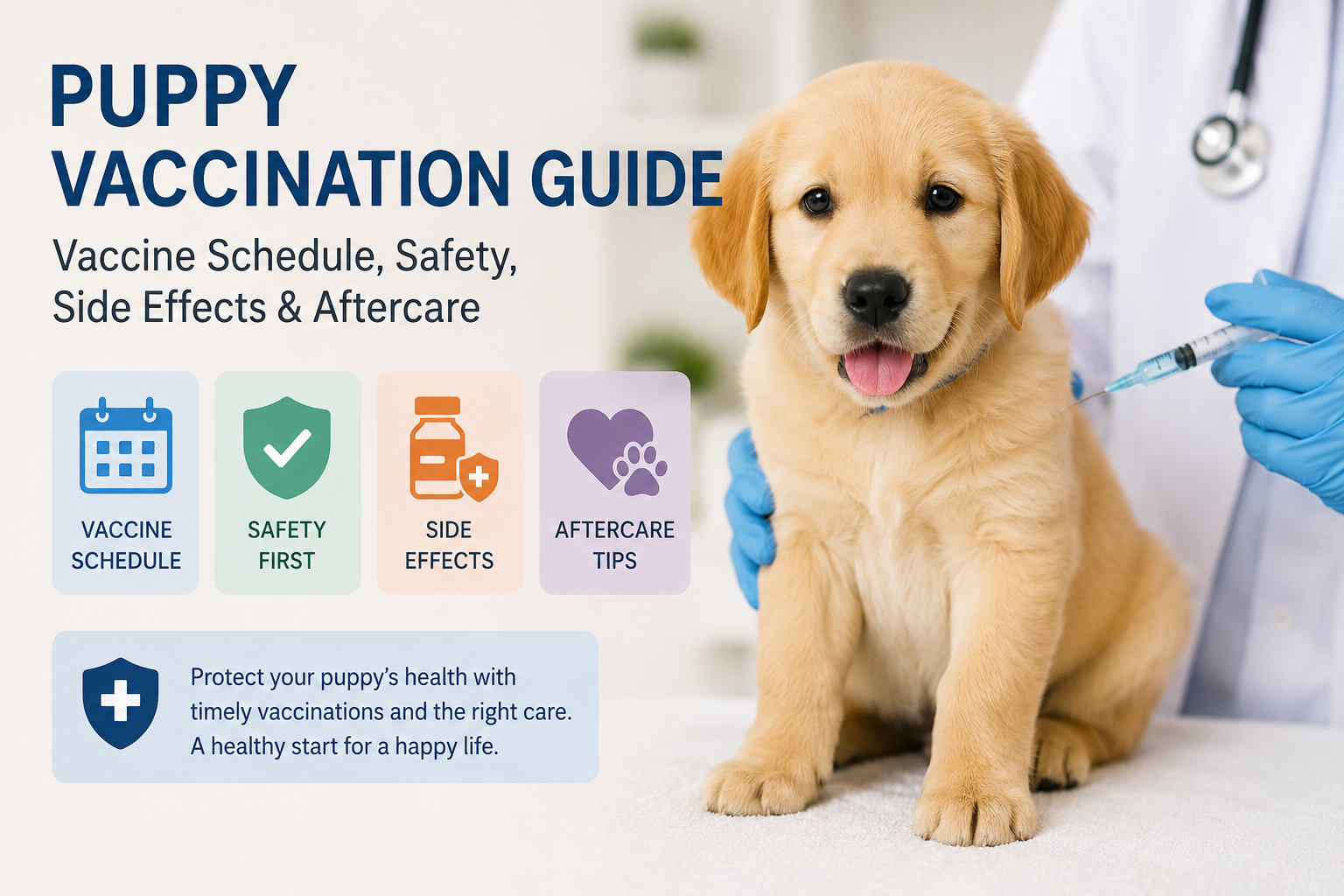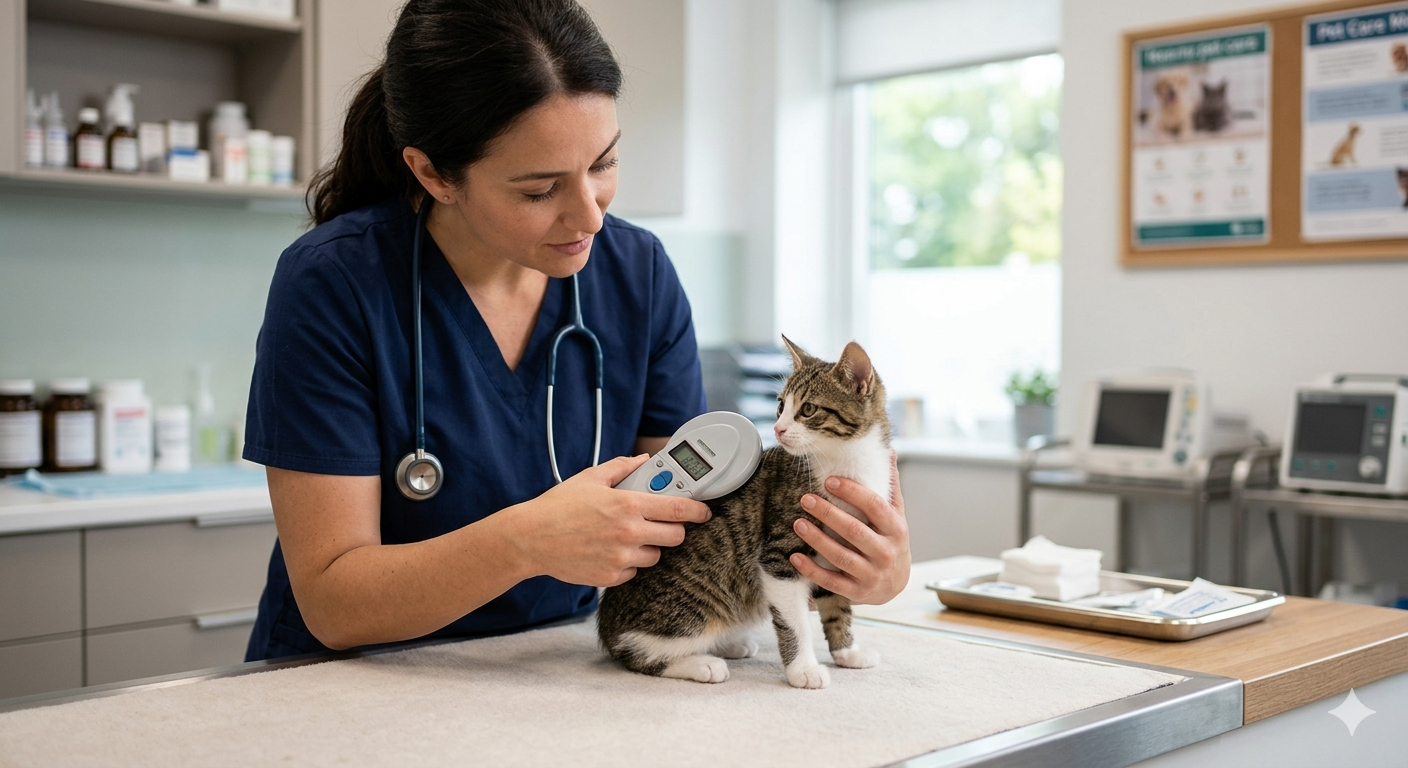
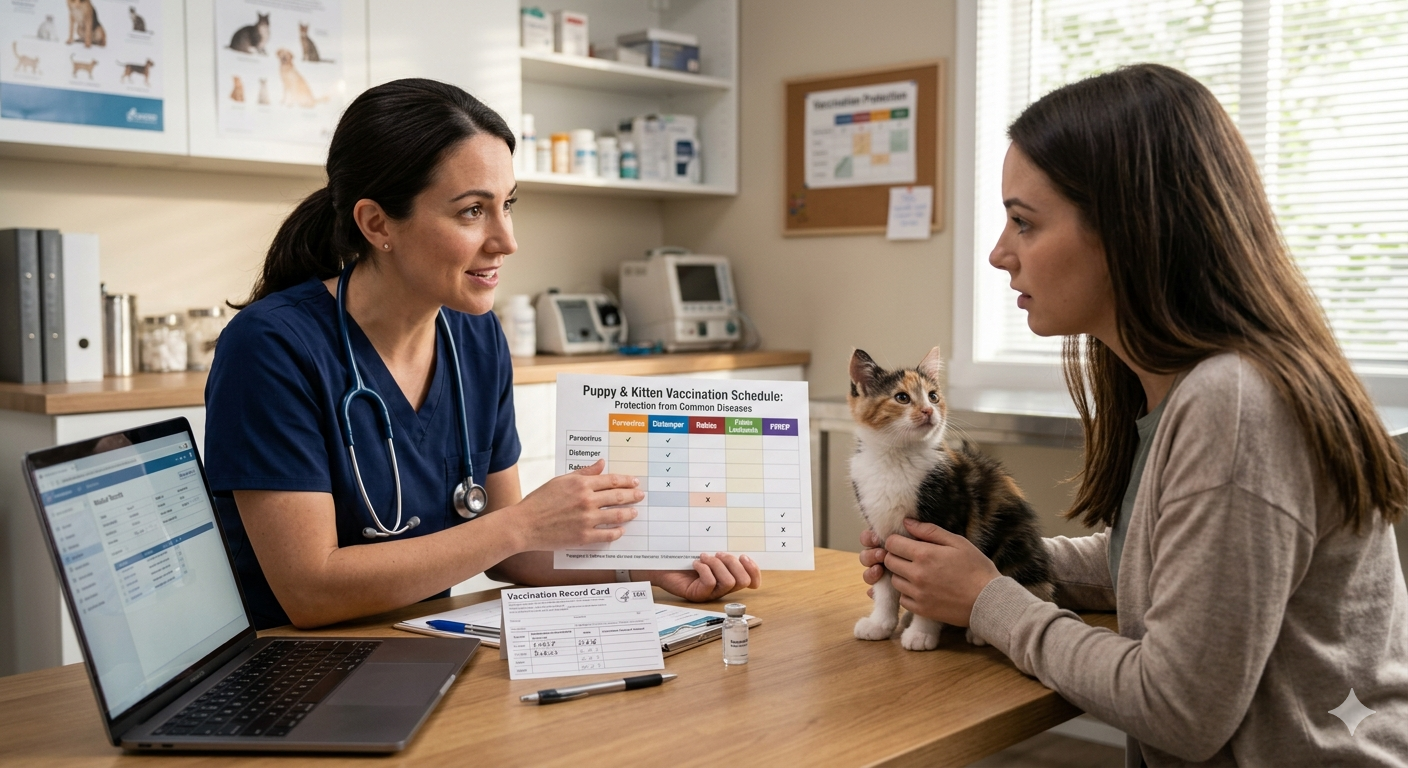
Bringing home a new puppy or kitten is an exciting experience, and keeping up with their vaccination schedule is one of the most important steps in protecting their long-term health. However, life can get busy, and it’s not uncommon for pet owners to accidentally miss a vaccination appointment.
If your puppy or kitten misses a vaccine, don’t panic. Missing one appointment doesn’t necessarily mean you need to start the entire vaccination series again. However, delaying vaccines can leave your pet vulnerable to serious infectious diseases. Knowing what to do next can help keep your furry companion protected.
Why Vaccinations Are So Important
Young puppies and kittens are born with temporary antibodies passed on from their mother. These antibodies provide early protection but gradually decrease over the first few weeks of life. Vaccinations help build your pet’s own immune system before this natural protection disappears.
Following the recommended vaccination schedule helps protect against diseases that can be difficult, expensive, and sometimes impossible to treat.
Vaccinations help:
Build strong immunity against contagious diseases
Reduce the risk of severe illness
Protect other pets in the community
Support your pet’s long-term health
Meet legal vaccination requirements where applicable
What Happens If a Vaccination Is Missed?
Missing a vaccination does not automatically mean your puppy or kitten has lost all protection. However, delaying booster vaccines may weaken the immune response, leaving your pet more susceptible to infection.
The longer the delay, the greater the chance that your pet may not have full immunity against preventable diseases.
Your veterinarian will determine the safest way to continue the vaccination schedule based on:
Your pet’s age
Which vaccine was missed
How long the vaccination has been delayed
Your pet’s overall health
Previous vaccination history
In many cases, the schedule can simply continue without restarting the entire series.
Risks of Delaying Puppy or Kitten Vaccinations
Young pets have developing immune systems, making them more vulnerable to infectious diseases.
Depending on your pet’s age and vaccination status, delaying vaccines may increase the risk of diseases such as:
Puppies
Parvovirus
Distemper
Adenovirus (Hepatitis)
Rabies
Leptospirosis
Kennel Cough
Kittens
Feline Panleukopenia
Feline Herpesvirus
Calicivirus
Rabies
Feline Leukemia Virus (when recommended)
Many of these diseases spread easily through direct contact, contaminated surfaces, or infected animals.
Common Reasons Vaccination Appointments Are Missed
Missing an appointment happens more often than many pet owners realize.
Common reasons include:
Busy work schedules
Family emergencies
Travel
Forgetting the appointment
Newly adopted pets with unknown vaccine history
Illness affecting the pet on the scheduled date
The important thing is to contact your veterinarian as soon as possible to reschedule.
What Should You Do If Your Pet Misses a Vaccine?
The first step is simple.
Call your veterinary clinic.
Avoid trying to estimate a new schedule yourself. Your veterinarian will determine the most appropriate plan based on your pet’s medical history.
During the appointment, your veterinarian may:
Review previous vaccination records
Perform a physical examination
Determine whether booster doses are sufficient
Recommend restarting specific vaccines only if necessary
Update your future vaccination schedule
Every pet is different, so professional guidance is essential.
Can Vaccines Be Given Late?
Yes.
In many situations, vaccines can still be administered after the scheduled date.
While staying on schedule provides the best protection, receiving a delayed vaccine is generally better than skipping it entirely.
Your veterinarian will advise whether additional booster doses are needed to restore full immunity.
How to Keep Your Pet Safe Until Vaccinations Are Up to Date
If your puppy or kitten has missed vaccinations, extra precautions are important until protection is restored.
Consider the following:
Avoid dog parks and busy pet areas
Limit contact with unfamiliar animals
Keep puppies away from places where unvaccinated dogs may have been
Keep kittens indoors whenever possible
Maintain good hygiene for food bowls, bedding, and toys
Continue parasite prevention as recommended
These simple steps help reduce exposure to infectious diseases.
Signs Your Puppy or Kitten May Be Sick
If your pet has missed vaccinations and begins showing signs of illness, seek veterinary care promptly.
Watch for symptoms such as:
Fever
Loss of appetite
Vomiting
Diarrhea
Persistent coughing or sneezing
Difficulty breathing
Lethargy
Nasal or eye discharge
Early diagnosis often leads to better treatment outcomes.
How to Avoid Missing Future Vaccinations
Staying organized makes it easier to keep your pet protected.
Helpful tips include:
Schedule the next appointment before leaving the clinic
Add reminders to your phone calendar
Use your veterinary clinic’s reminder service
Keep a copy of your pet’s vaccination record
Plan appointments around vacations or busy periods
Consistent preventive care helps ensure lifelong health.
Protect Your Puppy or Kitten with Erin Centre Animal Hospital
At Erin Centre Animal Hospital, we understand that life can be busy, and occasionally missing a vaccination appointment happens. Our experienced veterinary team will review your pet’s vaccination history, determine the safest way to continue their schedule, and provide personalized preventive care to keep them healthy.
Whether your puppy or kitten has missed one vaccine or needs to restart preventive care, we’re here to help with compassionate guidance, wellness exams, and customized vaccination plans.
If your pet has missed a vaccination, don’t wait. Contact Erin Centre Animal Hospital today to schedule an appointment and help get your puppy or kitten back on track.
Conclusion
Keeping your puppy or kitten on schedule with vaccinations is one of the best ways to protect them from preventable diseases. While missing a vaccine appointment can increase the risk of infection, it doesn’t always mean the vaccination series must begin again.
The most important step is to contact your veterinarian as soon as possible. A timely examination and updated vaccination plan can restore your pet’s protection and provide peace of mind.
With regular veterinary visits, preventive care, and a personalized vaccination schedule, your puppy or kitten can enjoy a healthy start and a lifetime of happy adventures.
Frequently Asked Questions (FAQs)
1. What should I do if my puppy or kitten misses a vaccination?
Contact your veterinarian as soon as possible. They will assess your pet’s vaccination history and recommend the best way to continue the schedule.
2. Will my pet need to restart all vaccinations?
Not always. In many cases, your veterinarian can continue the vaccination schedule without restarting the entire series.
3. Is it dangerous to delay vaccinations?
Delaying vaccinations may leave your pet vulnerable to preventable diseases, especially during their first few months of life.
4. Can my puppy or kitten go outside if vaccinations are delayed?
It’s best to avoid high-risk areas such as dog parks, pet stores, or places where unknown animals gather until vaccinations are up to date.
5. How long can a vaccination be delayed?
The answer depends on your pet’s age, previous vaccinations, and the specific vaccine involved. Your veterinarian can advise the safest schedule.
6. How can I remember future vaccination appointments?
Scheduling your next visit before leaving the clinic, using calendar reminders, and signing up for your veterinary clinic’s reminder service can help you stay on track.