
Pets rely completely on their owners to recognize when something is wrong. Unlike humans, animals cannot explain pain, discomfort, or illness. Many pet health problems begin with small behavioral or physical changes that may seem minor at first but can quickly develop into serious conditions if ignored.
Knowing when to visit an animal hospital in Mississauga helps pet owners take early action, prevent complications, and ensure their pets receive timely medical care. Understanding warning signs and recognizing unusual symptoms can make a significant difference in your pet’s overall health and recovery.
Why Timely Veterinary Care Is Important
Veterinary care is not only necessary during emergencies. Regular visits to an animal hospital help maintain your pet’s long term health by identifying concerns before they become severe.
Early veterinary intervention can:
Detect illness before symptoms worsen
Reduce pain and discomfort for pets
Prevent disease progression
Improve treatment success rates
Lower long term medical expenses
Professional veterinary evaluation provides accurate diagnosis and treatment plans that cannot be replaced by home remedies or online advice.
Changes in Appetite or Drinking Habits
One of the earliest signs of illness in pets is a sudden change in eating or drinking behavior. A healthy pet typically maintains consistent appetite and hydration patterns.
You should consider visiting an animal hospital if your pet:
Stops eating for more than 24 hours
Drinks excessive amounts of water
Shows difficulty chewing or swallowing
Experiences sudden weight loss or gain
Loss of appetite may indicate digestive problems, infections, dental pain, organ disease, or metabolic disorders. Increased thirst can sometimes signal kidney disease or diabetes.
Vomiting or Diarrhea That Persists
Occasional stomach upset may occur due to dietary changes or mild digestive irritation. However, frequent vomiting or diarrhea requires medical attention, especially if symptoms continue beyond one day.
Warning signs include:
Repeated vomiting episodes
Blood in vomit or stool
Signs of dehydration
Weakness or lethargy
Refusal to eat or drink
Young puppies, kittens, and senior pets are particularly vulnerable to dehydration and should be evaluated quickly.
Difficulty Breathing or Persistent Coughing
Breathing problems should always be taken seriously. Respiratory distress can develop rapidly and may become life threatening without prompt care.
Seek veterinary attention if you notice:
Rapid or labored breathing
Continuous coughing
Wheezing sounds
Excessive panting without exercise
Blue or pale gums
These symptoms may indicate respiratory infections, heart disease, allergies, or airway obstruction.
Lethargy or Sudden Behavioral Changes
Pets often hide pain instinctively, which makes behavioral changes one of the most important warning signs.
Contact a veterinarian if your pet:
Becomes unusually quiet or withdrawn
Avoids interaction or playtime
Sleeps significantly more than usual
Shows aggression or anxiety without reason
Appears weak or disoriented
Behavioral changes often signal discomfort, fever, injury, or internal illness.
Limping, Injury, or Mobility Issues
Difficulty walking, limping, or reluctance to move can indicate joint problems, muscle injuries, ligament damage, or fractures. Even mild limping should not be ignored because untreated injuries may worsen over time.
Early veterinary assessment helps reduce pain and prevents long term mobility complications.
Skin Problems and Excessive Scratching
Healthy skin and coat are strong indicators of overall wellness. Persistent itching or visible skin changes often require medical evaluation.
Watch for:
Constant scratching or licking
Hair loss or bald patches
Redness or swelling
Skin infections or unusual odors
Ear irritation or discharge
Skin conditions may result from allergies, parasites, infections, or hormonal imbalances.
Emergency Situations That Require Immediate Care
Some symptoms require urgent veterinary attention and should never wait for a regular appointment.
Visit an animal hospital immediately if your pet experiences:
Seizures or collapse
Severe injury or trauma
Difficulty urinating
Poison ingestion or exposure to toxins
Continuous bleeding
Sudden abdominal swelling
Extreme pain or crying
Quick medical intervention during emergencies can save your pet’s life.
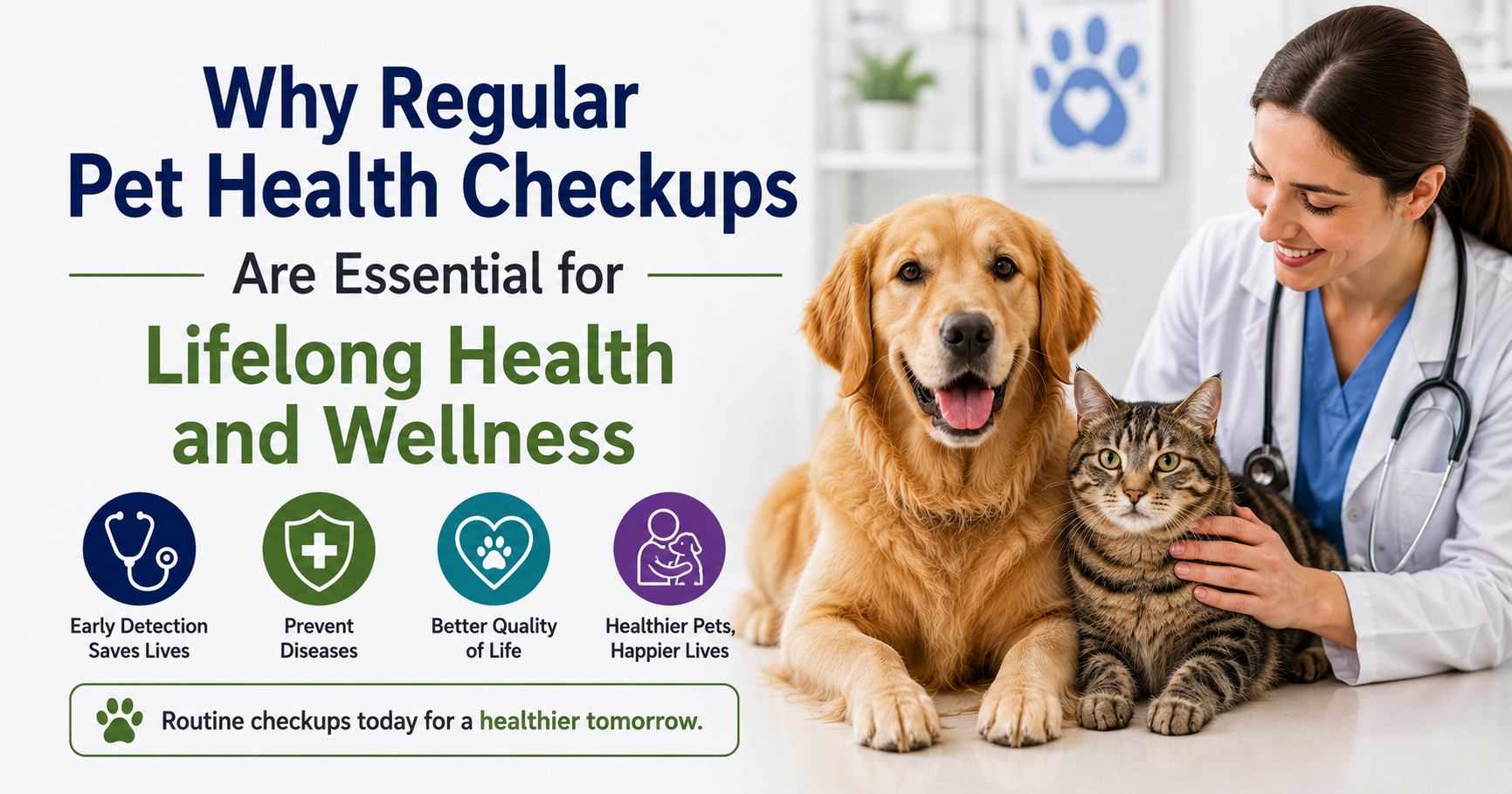
The Importance of Routine Wellness Visits
Many illnesses develop silently without obvious symptoms. Routine wellness exams allow veterinarians to monitor your pet’s health regularly and detect hidden problems early.
Routine visits typically include:
Full physical examination
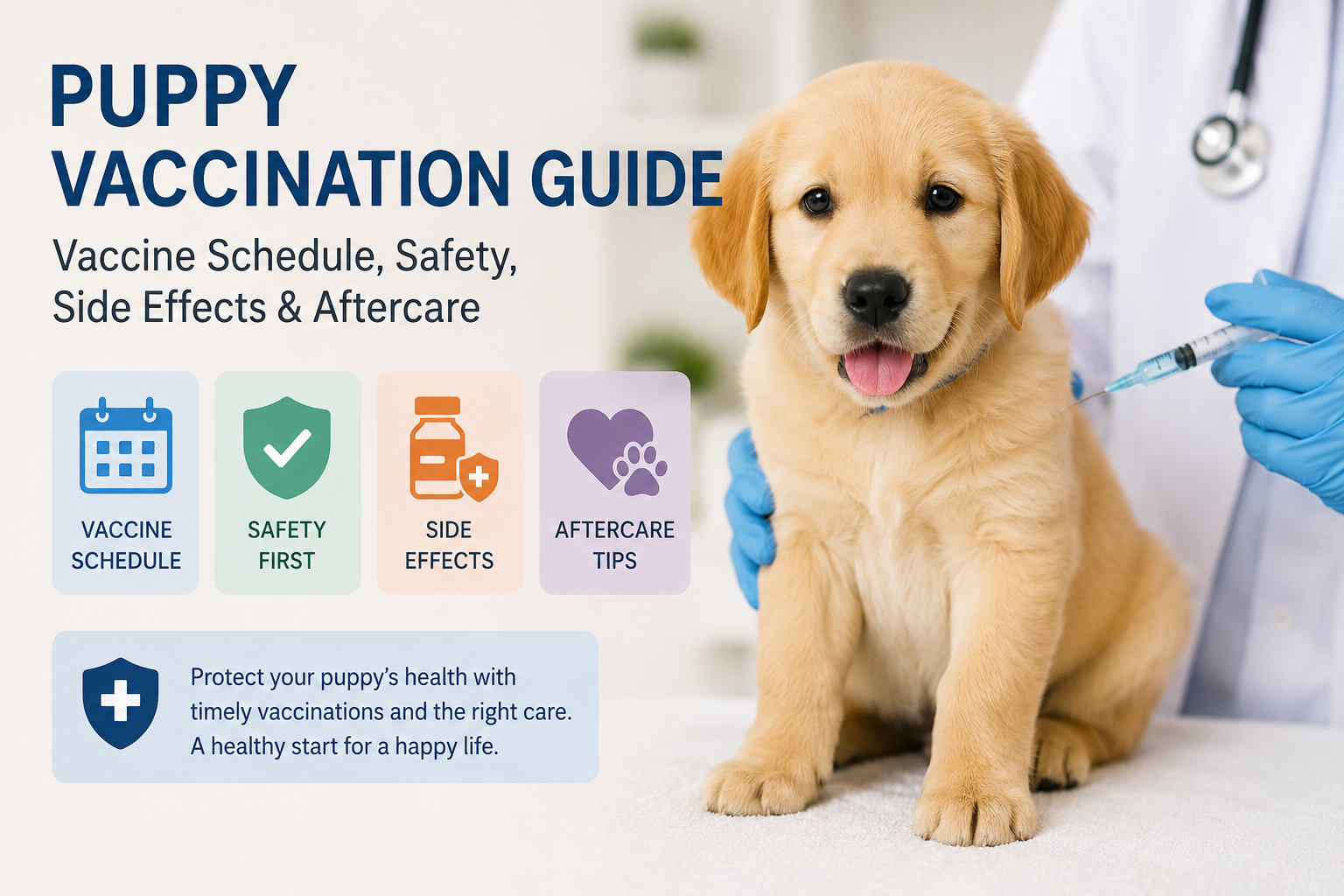
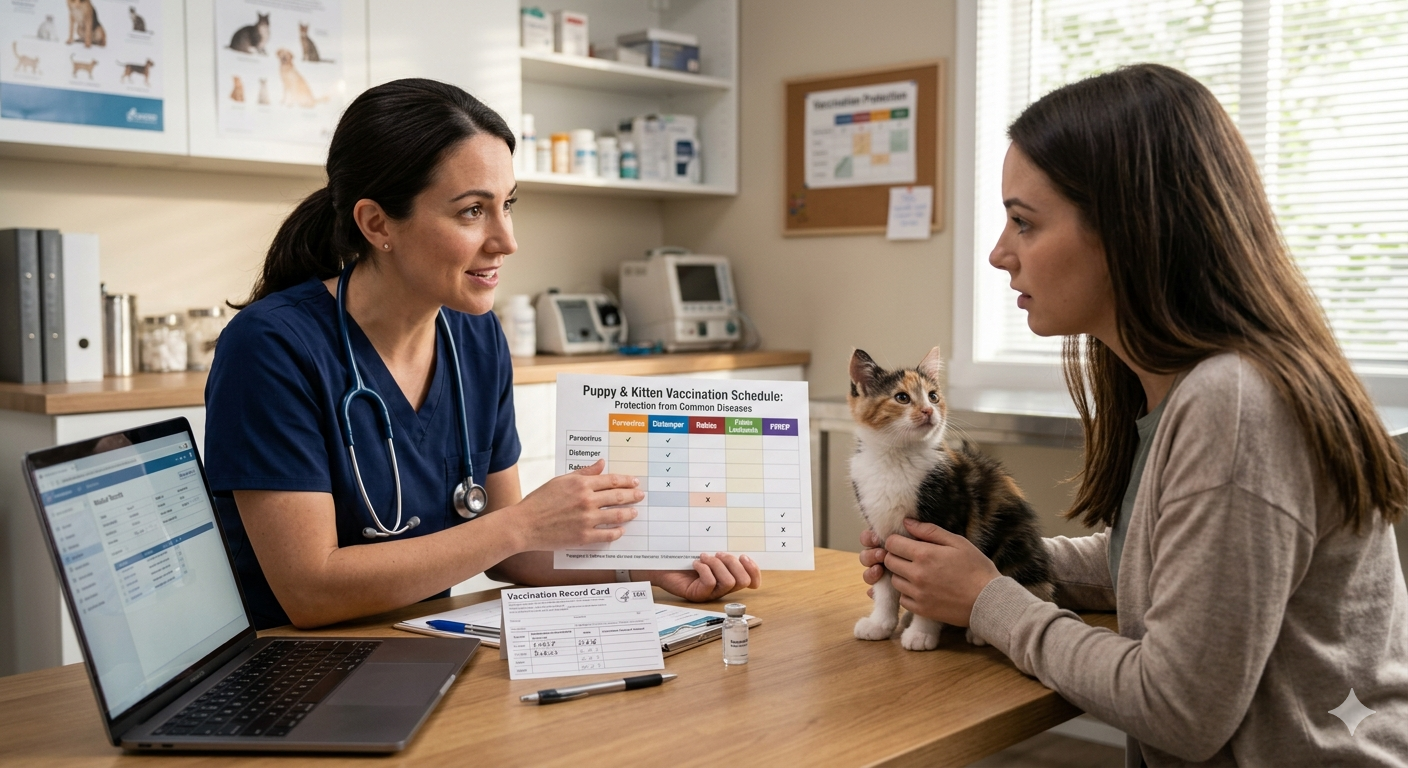
Vaccination updates
Parasite prevention planning
Dental health evaluation
Weight and nutrition assessment
Senior pet health monitoring
Preventive care helps pets live longer and maintain better quality of life.
Understanding Your Pet’s Normal Behavior
Every pet has unique habits, energy levels, and personality traits. Pet owners are often the first to notice subtle changes that indicate discomfort.
Pay attention to:
Changes in sleep patterns
Bathroom habit changes
Loss of interest in activities
Increased vocalization
Unusual hiding behavior
Trusting your observations and consulting a veterinarian early helps avoid serious complications.
Choosing a Trusted Animal Hospital in Mississauga
Selecting the right veterinary clinic ensures your pet receives consistent and reliable care throughout life. Pet owners often choose local animal hospitals that offer compassionate service, experienced professionals, and modern medical facilities.
A trusted veterinary hospital provides:
Preventive and medical care
Diagnostic and surgical services
Clear communication with pet owners
Support during emergencies and routine visits
Building a long term relationship with a veterinary team allows for better health monitoring and personalized treatment.
Schedule Your Pet’s Visit at Erin Centre Animal Hospital
Your pet’s health and comfort should always come first. At Erin Centre Animal Hospital, we provide compassionate veterinary care focused on prevention, early diagnosis, and effective treatment.
Whether your pet needs a wellness examination, medical evaluation, or urgent care, our experienced veterinary team is ready to help.
Comprehensive Pet Health Exams
Preventive and Diagnostic Services
Gentle and Compassionate Care
Trusted Animal Hospital in Mississauga
Contact Erin Centre Animal Hospital today to schedule an appointment and ensure your pet receives the professional care they deserve.
Frequently Asked Questions (FAQs)
How do I know if my pet needs to visit an animal hospital?
You should visit an animal hospital if your pet shows unusual symptoms such as loss of appetite, vomiting, diarrhea, breathing difficulty, lethargy, limping, or sudden behavioral changes. Even small changes can indicate underlying health problems that require professional evaluation.
When is a pet emergency that requires immediate veterinary care?
Emergency situations include seizures, collapse, poisoning, severe injuries, difficulty breathing, continuous bleeding, or inability to urinate. These symptoms require immediate veterinary attention and should not wait for a regular appointment.
How often should pets visit a veterinarian for routine checkups?
Most pets should have a wellness examination at least once per year. Puppies, kittens, senior pets, and animals with medical conditions may require more frequent visits to monitor their health properly.
Can behavioral changes indicate illness in pets?
Yes. Pets often hide pain, so behavioral changes such as withdrawal, aggression, excessive sleeping, anxiety, or reduced activity can be early signs of illness or discomfort.
Is vomiting or diarrhea always a serious problem in pets?
Occasional stomach upset may happen, but repeated vomiting or diarrhea lasting more than 24 hours should be evaluated by a veterinarian. Persistent digestive issues can lead to dehydration and may signal infections, parasites, or internal disease.
Why are routine wellness exams important for pets?
Routine wellness visits help detect health issues before symptoms become severe. Preventive care supports long term health, improves lifespan, reduces emergency visits, and allows veterinarians to create personalized care plans for your pet.
What should I do if my pet suddenly stops eating?
If your pet refuses food for more than 24 hours or shows additional symptoms like lethargy or vomiting, you should schedule a veterinary visit. Loss of appetite may indicate dental pain, infection, digestive problems, or systemic illness.
Where can I find a trusted animal hospital in Mississauga?
Choosing an experienced and compassionate veterinary clinic is important for your pet’s lifelong health. The team at Erin Centre Animal Hospital provides preventive care, diagnostics, and medical treatment tailored to each pet’s needs.