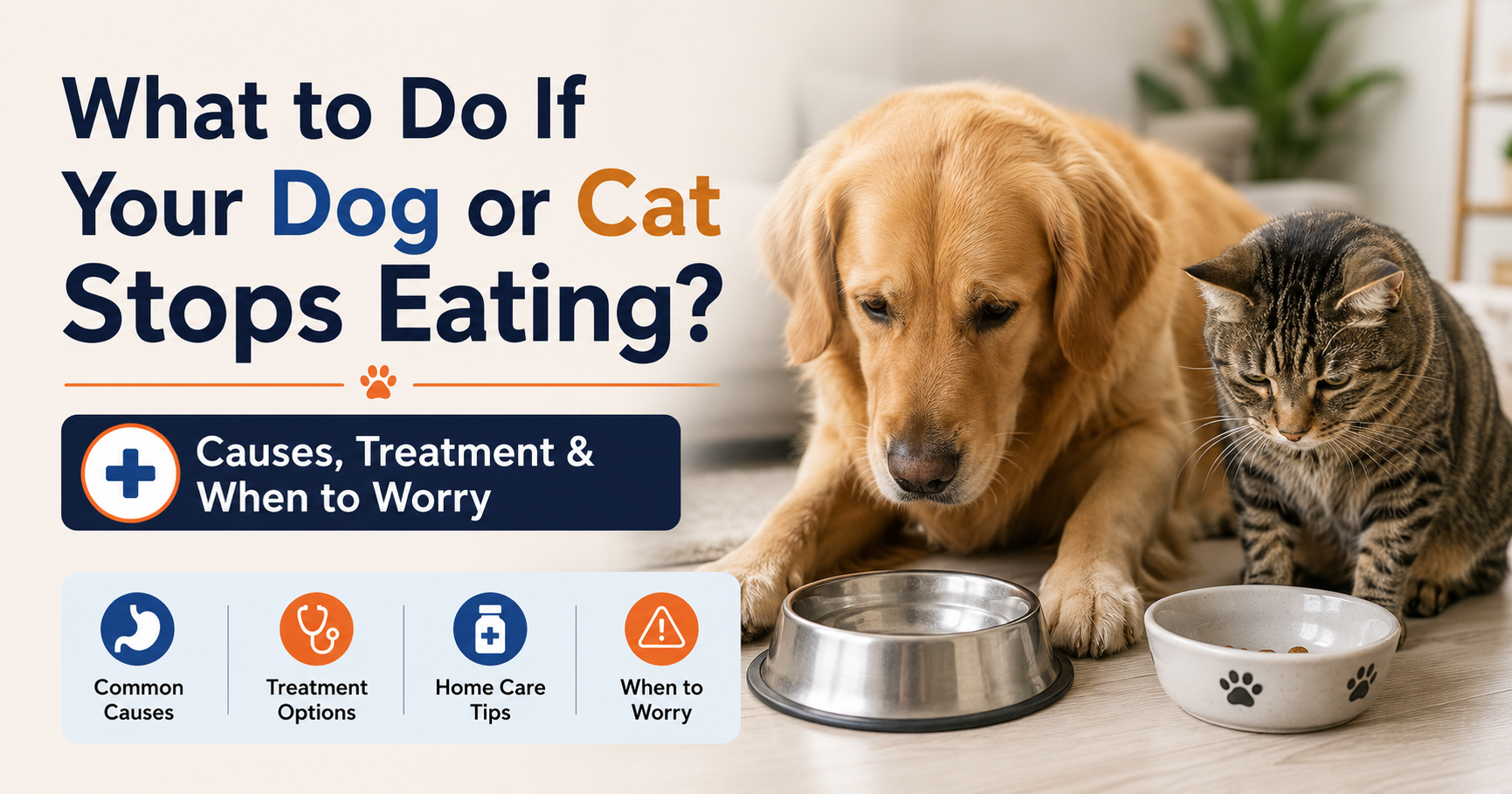
If you are wondering what to do if your dog or cat stops eating, you are not alone. Appetite loss is one of the most common concerns for pet owners in Mississauga, and it can happen suddenly without warning. Sometimes the cause is mild, such as stress or a small digestive upset, but in other cases it can be linked to pain, infection, or serious internal illness. The most important thing is to observe symptoms early and take action before your pet becomes weak or dehydrated.
In this guide, you’ll learn the most common reasons for pets not eating, safe home care steps, and when veterinary treatment is necessary.
Why Dogs and Cats Stop Eating (Common Causes)
When a dog stops eating, or a cat suddenly refuses food, it can happen for many reasons. Stress is one of the most common causes, especially in cats. Changes like moving house, travelling, loud noises, or a new pet at home can easily affect appetite and routine.
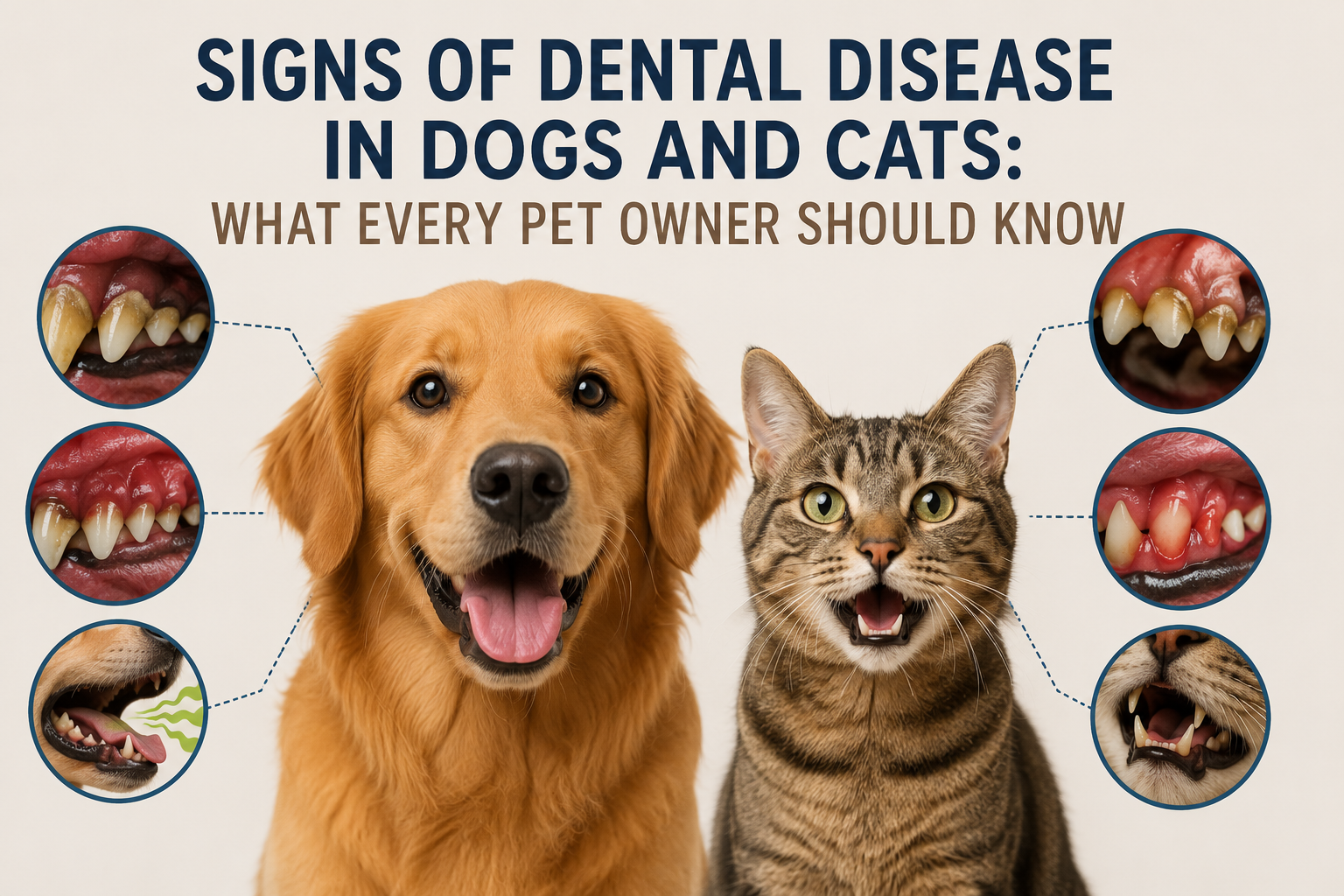
Pet Dental discomfort is another common issue. Gum infections, broken teeth, or mouth ulcers can make chewing painful. In these cases, pets may walk up to their bowl, sniff the food, and then walk away without eating.
Digestive upset is also a frequent cause, particularly in dogs. A loss of appetite in dog can happen after eating spoiled food, switching diets too quickly, parasites, or mild infections. Sometimes fever, illness, or medication side effects can reduce appetite as well, especially in older pets.
What to Do If Your Dog or Cat Stops Eating at Home
If your pet is active and drinking water, you can try safe steps before rushing into panic. Knowing what to do if your dog or cat stops eating can prevent unnecessary stress and help you respond correctly.
Start by checking for obvious signs such as vomiting, diarrhea, weakness, or difficulty breathing. If your pet appears stable, gently check their mouth for swelling, bad smell, broken teeth, or objects stuck inside.
Then, try making food more appealing. Warming wet food slightly increases aroma and often encourages eating. If your dog has a mild stomach upset, a bland diet like boiled chicken and rice may help.
Simple Home Care Tips for a Pet Not Eating
Warm the food slightly to improve the smell
Offer soft wet food instead of dry kibble
Feed in a quiet environment to reduce stress
Give smaller meals instead of one large portion
Ensure fresh water is always available
If your pet refuses food but continues drinking water, monitor them closely. This can sometimes be caused by stress, dental discomfort, nausea, or the early stages of illness. If the problem lasts more than a day or your pet seems weak, it’s best to contact a vet, especially in cases of cats not eating but drinking water.
When to Worry If a Dog Stops Eating or a Cat Stops Eating
It’s important to know when appetite loss becomes serious. If your dog hasn’t eaten for more than 48 hours, a veterinary check-up is recommended, especially if they seem tired or unwell.
Cats need faster attention because going without food for too long can lead to serious liver complications. If your cat refuses food for more than 24 hours, it’s safest to contact a vet as soon as possible.
Emergency Warning Signs You Should Never Ignore
repeated vomiting
blood in stool or vomit
swollen abdomen
extreme tiredness or collapse
refusal to drink water
breathing difficulty
sudden weight loss
These symptoms may suggest poisoning, infection, blockage, or organ disease and require urgent care.If you notice these signs, visiting an emergency vet clinic in Mississauga is the safest decision.
Dog vs Cat Appetite Loss: Why Cats Need Faster Help
When a dog skips meals, it can still be a concern, but most dogs can handle short-term appetite loss better than cats. Cats, however, are much more sensitive when it comes to not eating. If a cat refuses food for too long, it can lead to a serious condition called fatty liver disease (hepatic lipidosis), which can become life-threatening without treatment.
Because of this, cats should never go more than a day without eating. If your cat hasn’t touched food for 24 hours, it’s best to contact a vet as soon as possible. For dogs, missing one meal may not always be urgent, but if they stop eating for two days or show other symptoms, a veterinary check-up is recommended.
What NOT to Do If Your Pet Stops Eating
Many owners panic and try force-feeding. This can be harmful, especially if your pet feels nauseous. Never force food into your pet’s mouth, and avoid giving spicy, oily, or sugary human food.
Do not give milk, as it often causes diarrhea. Most importantly, never give human medicines such as paracetamol or ibuprofen, because they are toxic for pets. Antibiotics should only be used under veterinary guidance.
Ignoring the problem for too long is also dangerous, especially if a cat stops eating completely.
Vet Diagnosis and Treatment for Dog Not Eating or Cat Not Eating
If appetite loss continues, your vet will perform a physical examination and may recommend blood tests to check infection, kidney function, and liver health. Stool testing may be done to detect parasites, and X-rays or ultrasound may be required if a blockage is suspected.
Proper diagnosis is essential because treatment for dogs not eating depends on the cause. If nausea is present, anti-vomiting medicines may be given. If dehydration is detected, IV fluids may be needed.
Similarly, treatment for cat not eating may include appetite stimulants, fluids, special diets, or dental treatment if mouth pain is involved. Early treatment improves recovery and reduces complications.
Conclusion
Understanding what to do if your dog or cat stops eating can make a significant difference in your pet’s health. Appetite loss may be caused by stress, dental pain, digestive issues, infections, or more serious underlying conditions. While mild cases may improve with simple home care, ongoing or severe loss of appetite should never be ignored. Cats, in particular, require prompt attention due to the risk of fatty liver disease if they go without food for too long.
If your pet’s symptoms persist or they appear weak, lethargic, or unwell, it’s important to seek veterinary care right away. For prompt, compassionate care in Mississauga, contact Erin Centre Animal Hospital and schedule an appointment to ensure your pet receives the attention they need.
FAQs
1. What are the most common causes of appetite loss in pets?
The most common causes of appetite loss in pets include stress, dental pain, stomach upset, infection, fever, parasites, and chronic diseases like kidney or liver problems.
2. How long can a dog go without eating before it becomes dangerous?
Many owners ask how long a dog can go without eating. If your dog refuses food for more than 48 hours, you should consult a vet, especially if vomiting or weakness is present.
3. How long can a cat go without eating safely?
If you are wondering how long a cat can go without eating, the safe limit is usually no more than 24 hours. After that, cats may face serious risks such as fatty liver disease.
4. What home remedies for dogs not eating are safe?
Some safe home remedies for dogs not eating include offering warm food, boiled chicken with rice, small meals, and keeping the feeding environment calm. If symptoms continue, seek veterinary care.
5. Why is my cat not eating but drinking water?
If your cat is not eating but drinking water, it may be due to stress, dental pain, nausea, infection, or early kidney problems. If this continues beyond 24 hours, consult a vet.